
Do you need a Professional Cover Designer for your book?
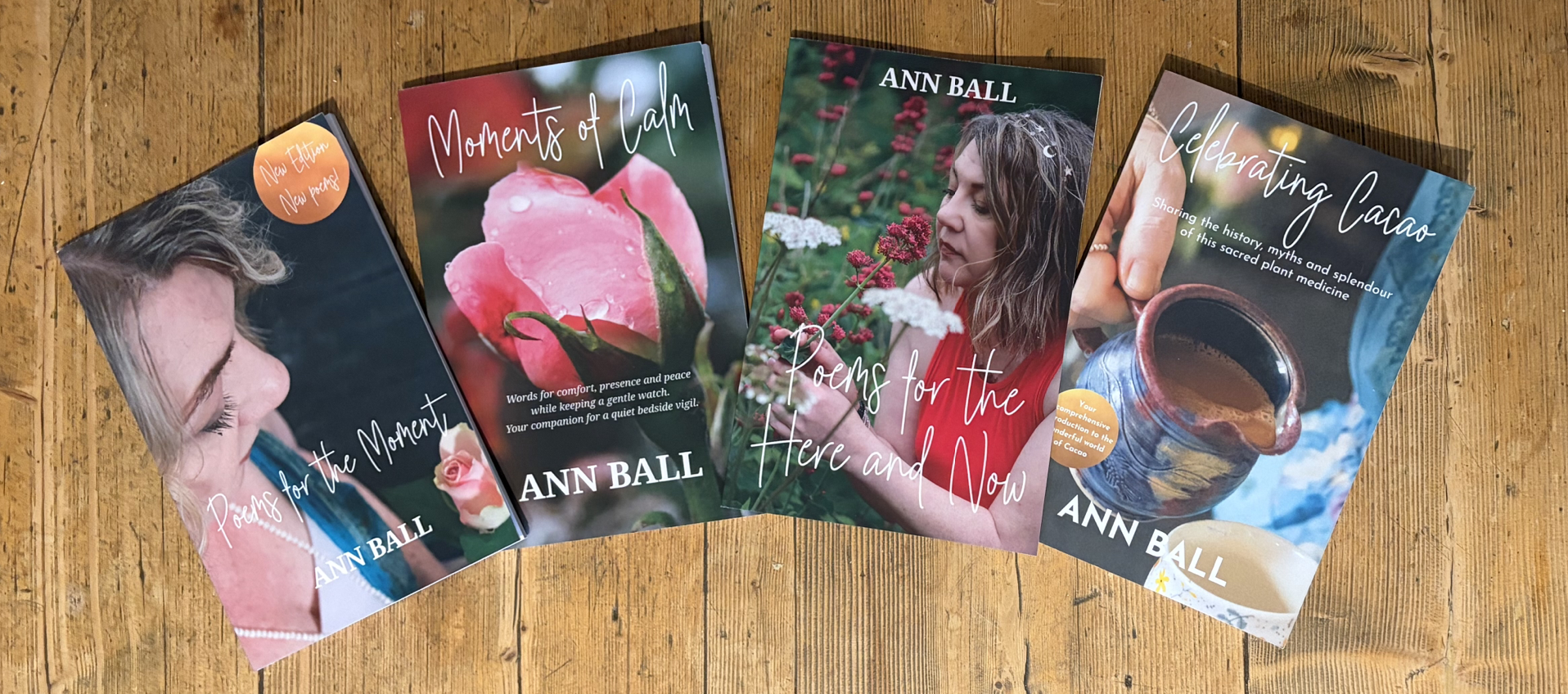
When you’re self-publishing, one of the biggest decisions you’ll make is how to create your book cover.
We’ve all heard the phrase, ‘don’t judge a book by its cover,' but in reality, readers do. Your cover is often the very first impression your book makes, so it needs to look professional, appropriate for your genre, and appealing to your target audience.
So, should you invest in a professional cover designer? The answer is… it depends.
When you might not need a Designer
If your cover is relatively simple, your typesetter may be able to create it for you. For example:
A clean, text-based design
A simple layout using one image
Minimal styling without complex graphics
In these cases, your typesetter can ensure:
Correct sizing for print platforms
Spine alignment
Consistent fonts and layout
A professional, polished finish
This can be a more cost-effective option AND a strong result.
Using a Photograph? Quality matters
If you’re planning a photographic cover, the most important factor is image quality.
Avoid:
Low-resolution images
Overused stock photos
Anything that looks stretched or pixelated
Instead, consider:
Purchasing high-quality stock images
Using your own professional-quality photography
Hiring a photographer for a bespoke image
A strong, high-resolution image combined with clean typography can create a very effective cover.
Working with a Designer (and a Typesetter)
You don’t have to choose one or the other; many authors use both.
A professional designer can:
Create a bespoke cover image or concept
Ensure your cover fits your genre and audience
Develop a strong visual identity
Your typesetter can then:
Apply the design to a full print-ready cover
Ensure correct sizing, spine width, and layout
Maintain consistency with your book’s interior
This combined approach often gives you the best of both worlds.
Cost considerations
Budget will naturally play a role in your decision.
Typesetter-designed covers tend to be more affordable
Stock image-based covers sit in the middle
Fully bespoke designer covers are usually the most expensive
However, it’s worth remembering: your cover is part of your book’s marketing. A strong cover can help attract readers and improve sales.
Pros and Cons
Using a Professional Designer
✔ Highly polished, bespoke design
✔ Strong market and genre awareness
✔ Unique visual identity
X Higher cost
X May require more back-and-forth during the process
Using a Typesetter
✔ More cost-effective
✔ Streamlined process
✔ Still professional if done well
X May be less visually distinctive
X Relies on simplicity and strong image choice
Final Thoughts
AS you can see, there’s no single right approach; the best option depends on your book, your budget, and your goals.
If your design is simple and well thought out, a typesetter can often create a clean, professional cover. If you’re looking for something more bespoke or visually striking, a professional designer may be worth the investment.
Whichever route you choose, the key is to ensure your cover looks polished, appropriate for your genre, and aligned with your book’s message.
I hope this helps xx
If you’re an aspiring author looking to publish your book, I'm here to polish your words and create a professional, reader-friendly publication for you. I would love to support you on your publishing journey.
Contact me for an editing and typesetting estimate; let’s make your book shine!
* * *
Cornerstone pa services is here to help YOU and YOUR business.
Get in touch if you need editorial or admin support.