
How to keep your ‘voice’ while strengthening your writing
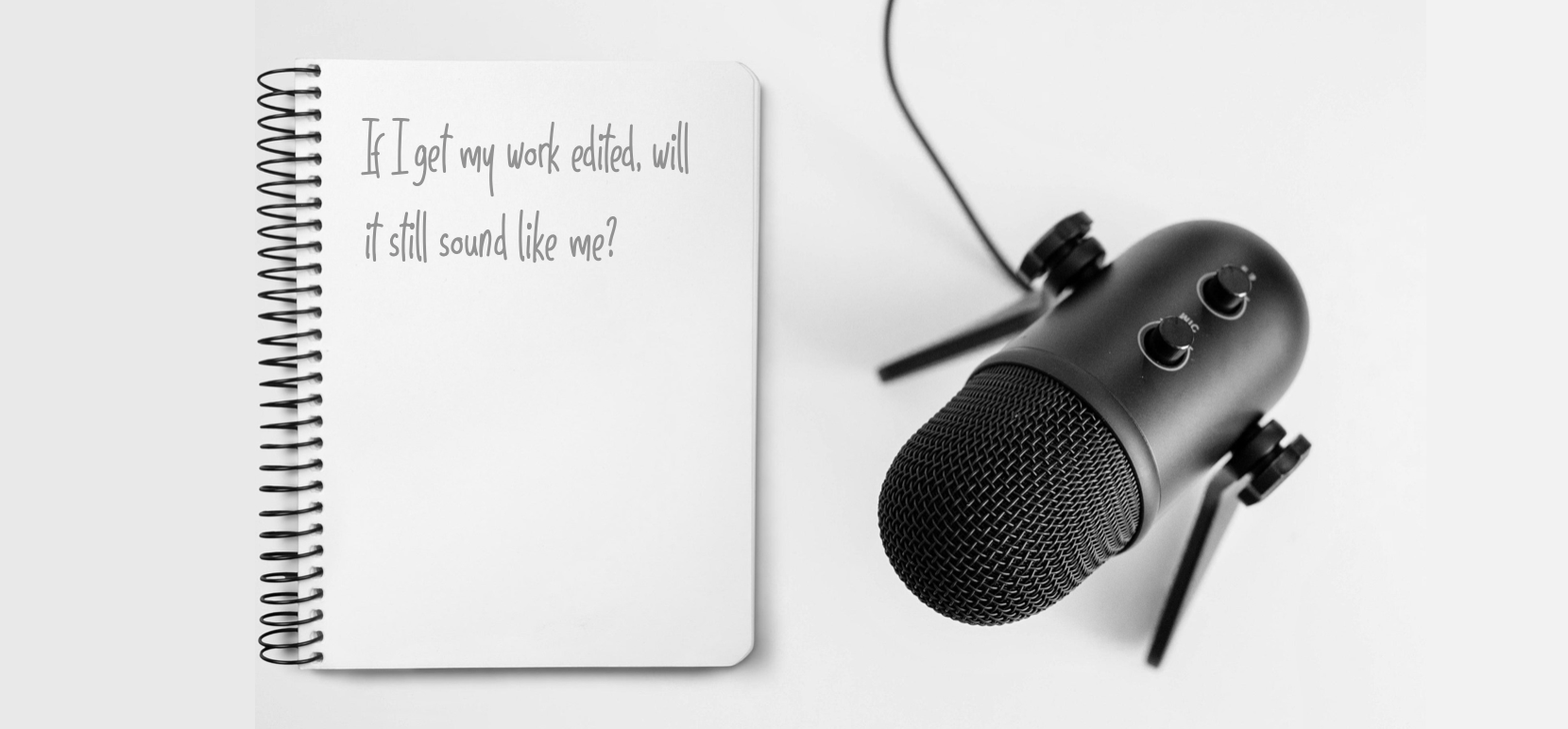
One of the most common worries writers share with me is this: “If I get my work edited, will it still sound like me?”
It’s a completely valid concern. Your voice is one of your greatest assets, whether you’re writing a novel, a memoir, website copy, or blog posts for your business. Your voice sets you apart. It tells your readers who you are before they ever meet you. It builds trust, connection, and personality.
But here’s the good news: Strengthening your writing doesn’t mean losing your ‘voice’.
In fact, good editing amplifies it.
In this musing, I’ll share how to keep your authentic voice while improving clarity, style, and flow, and why the right editor will help you do exactly that.
What do we mean by ‘voice’?
Your writing voice is the unique blend of tone, rhythm, word choice, and personality that comes through in your words. Think of it as the written version of your natural speaking style, but polished.
Some writers are warm and conversational.
Some are energetic and bold.
Some are lyrical and poetic.
Some are straight-to-the-point and practical.
There’s no right or wrong voice, there’s only your voice.
Why writers worry about losing their ‘voice’
Editing can feel like letting someone else into a very personal space. You’ve poured your thoughts, ideas, and emotions onto the page. The last thing you want is for it to come back sounding like someone else wrote it.
There are real reasons for this concern:
Some writers may have had heavy-handed edits in the past
Others may fear their quirks and personality will be ‘corrected’ out
Many simply don’t want their work to feel generic or bland.
But professional editors don’t replace your voice; they enhance it.
How to strengthen your writing without losing yourself
1. Know your natural style
Before improving anything, understand what already works:
Are you conversational?
Do you use humour?
Are your sentences short and punchy, or longer and more reflective?
Recognising your own tendencies helps you spot when something doesn’t sound like you.
2. Separate your ‘voice’ from habits that make writing unclear
Writers often confuse their voice with things like:
Overly long sentences
Repeated filler words
Tangents that distract from the message.
These aren’t your voice; they’re habits. Removing them strengthens your writing without touching your personality.
3. Read your work aloud
It’s one of the simplest and most effective tools.
If it sounds natural when spoken, it’s your voice.
If it feels awkward, stiff, or unlike you, it probably needs adjusting.
4. Don’t be afraid of editing; good editing supports your voice
A skilled editor focuses on:
Clarifying your message
Improving readability
Tightening structure
Enhancing tone
Removing confusion
But they will always protect your voice unless something is unclear, inconsistent, or misleading.
Think of editing as polishing a gemstone; the stone is still yours, it just shines brighter.
5. Give your editor guidance
When guiding your editor, it’s perfectly acceptable to say:
“Please keep this conversational.”
“I want this to feel warm, not formal.”
“My humour is important; keep it.”
“This section needs to sound confident.”
Editors love clarity. The more they know your intention, the better they can support it.
6. Keep practising
Voice becomes stronger through regular writing.
The more you write, the more your natural rhythm settles in and the easier it becomes to spot what feels ‘off’.
How an editor protects (and enhances) your voice
An experienced editor doesn’t impose their own style. Instead, they:
Listen to your tone
Notice your patterns
Ensure your words reflect your personality
Maintain consistency
Flag areas where the voice slips or becomes unclear
Strengthen the parts that already work well.
You stay firmly in the driver’s seat; your editor is simply helping you navigate smoothly.
You don’t have to choose between Strong Writing and Authentic Voice
You can absolutely have both.
Your voice gives your writing its identity. Editing gives it clarity, shape, and power. Together, they create writing that is not only you but the best possible version of you.
If you’d like support bringing out the strongest, clearest version of your voice, without losing the heart of your writing, I’m always here to help.
I hope this helps xx
If you’re an aspiring author or small business, I'm here to polish your words and create a professional, reader-friendly publication for you. I would love to support you.
Contact me for an editing and typesetting estimate; let’s make your words shine!
* * *
Cornerstone pa services is here to help YOU and YOUR business.
Get in touch if you need editorial or admin support.