
ISBNs explained: What every indie author needs to know
If you’re preparing to self-publish your book, you’ve probably heard the term ISBN and wondered: Do I need one? Where do I get it? What is it for?
In this blog, I’ll explain what ISBNs are, why they matter, and how indie authors can use them with confidence.
What is an ISBN?
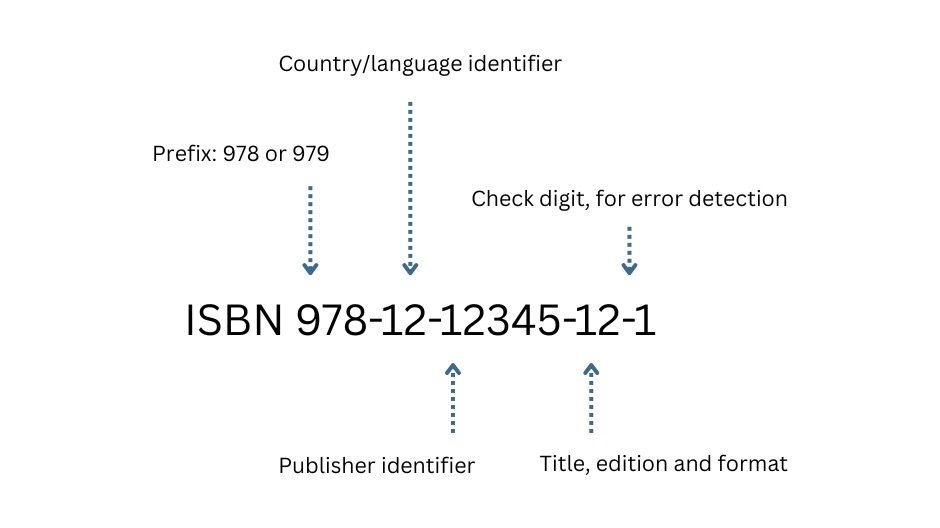
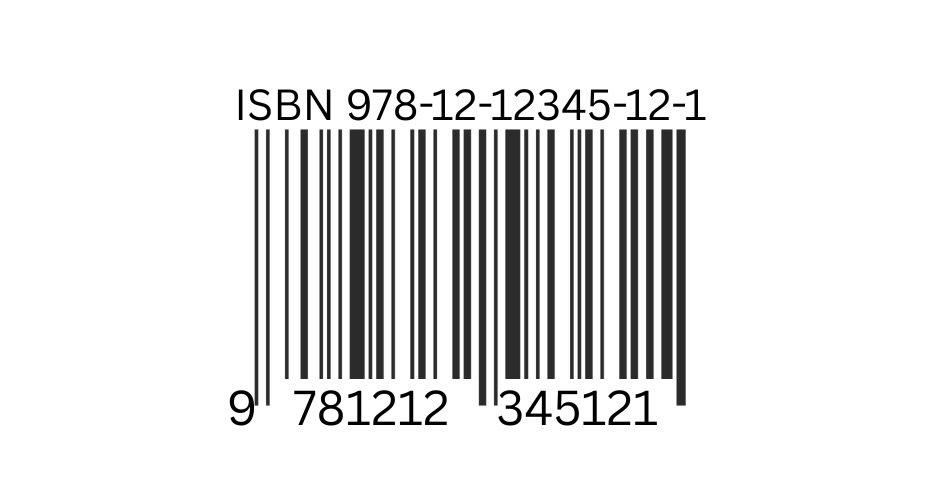
An ISBN or International Standard Book Number is a unique, 13-digit identifier used globally to catalogue and track books (see image below). Think of it as your book’s fingerprint; it ensures your book can be found, sold, stocked and referenced correctly by booksellers, libraries, distributors, online stores and readers around the world.
An ISBN will appear on the lower back cover of books, above the barcode, and also on the copyright page. These numbers represent everything from the country the book was published in, to its publisher, and the format and edition of the book to which they’re attached.
Every ISBN is unique to a specific book format. That means each of the following would require its own ISBN (paperback, hardback, eBook, or audiobook).
Note: an ISBN should have 13 digits. However, before 2007, ISBNs were only ten digits long. To accommodate the growing global book industry, the International ISBN Agency expanded the number of digits from 10 to 13 on 1 January 2007.
Does a book title have a constant ISBN?
No. As explained above, each version (ebook, hardcover, paperback, or audiobook) will require a separate ISBN. There are also other circumstances when it will be necessary to have a new ISBN, for example, if you are:
Making substantial textual changes that would qualify as a new edition.
Changing your publisher.
Changing your book title.
Translating your book into a different language.
Do you need an ISBN?
An ISBN helps to establish your book as a legitimate, professional publication.
So, yes, you need an ISBN if you want:
To sell your book in online stores.
Libraries or bookshops to stock your book.
To distribute professionally and retain publishing control.
To control your book’s metadata.
But, not always, if:
You’re only publishing an eBook exclusively on Amazon Kindle (Amazon doesn’t require eBooks to have ISBNs).
Your book is for personal use only (family history, community projects, etc.).
Who should buy the ISBN?
This is an important decision for indie authors. You have two options:
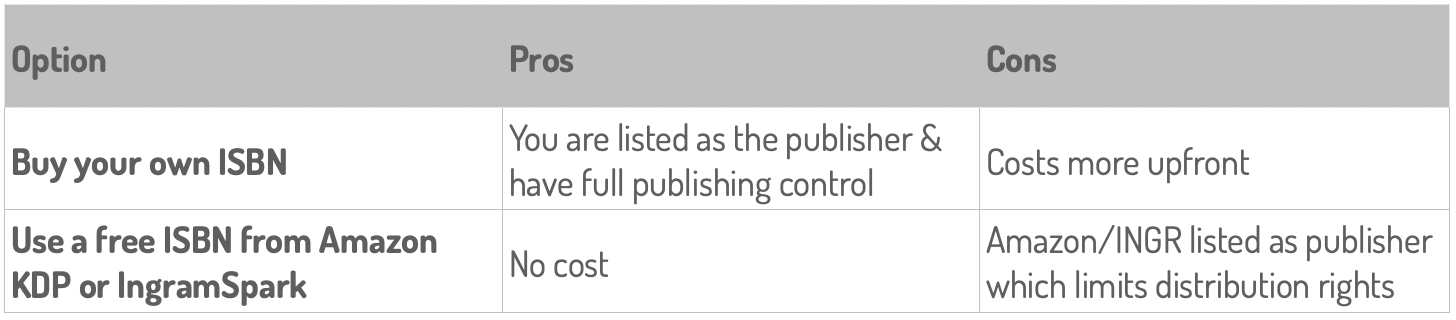
Recommendation: If you are building a career as a professional author or an indie publishing brand, it’s best to buy your own ISBNs. You will then retain full control of your publishing rights and metadata.
Where to buy an ISBN
ISBNs are purchased through official national agencies. For UK authors, ISBNs are available from Nielsen ISBN Store (UK) (www.nielsenisbnstore.com/Home/ISBN). At the time of writing, pricing was (UK example):
1 ISBN – £93
10 ISBNs – £174
100 ISBNs – £387
1,000 ISBNs – £994
Buying a block of 10 offers the best value, especially if you plan different formats (hardback/paperback/eBooks), future editions, or new titles. Unused ISBNs remain valid indefinitely.
What to do once you’ve bought your ISBN
Purchasing your ISBN isn’t the end of the road; you need to register it once your book is printed. If you don’t do this, your book won’t be visible to online suppliers or listed on the national database. Instructions will be provided when you buy your ISBN, but it can be forgotten when you’re busy with other tasks; so make a note in your diary!
Author Legal Deposit Obligations
When you register an ISBN, by law, one copy of every UK publication (including e-books) must be sent to the British Library, free of charge, within one month of publication date (see here).
The copy deposited must be “of the same quality as the best copies which, at the time of delivery, have been produced for publication in the United Kingdom” [Legal Deposit Libraries Act 2003]. You may also receive an additional request from the Agency for the Legal Deposit Libraries (see here) for five more copies of your book (for the five other main UK libraries).
The British Library has stated that the default method of deposit is print; so if you deposit a print version, you do not need to deposit an electronic version as well unless they request it.
Does an ISBN guarantee copyright?
No. Your work is automatically protected by copyright as soon as you create it, and you should declare the copyright on your book’s copyright page. However, assigning an ISBN helps prove ownership and authorship publicly.
ISBNs and Metadata
When you register your ISBN, you’ll also enter book metadata; details that help your book get discovered online. This includes:
Title (and optional subtitle)
Author and contributor details (including name and biography)
Book description (optional)
Cover image (optional)
Book’s medium (e.g., audio, e-book, print)
Book’s format (e.g., paperback, hardcover)
Genre and category/subject
Sales and pricing information (includes publication date, title status, target audience, and book price)
A professional editor can help optimise metadata to improve visibility and reader appeal, especially on retail platforms.
Free ISBNs
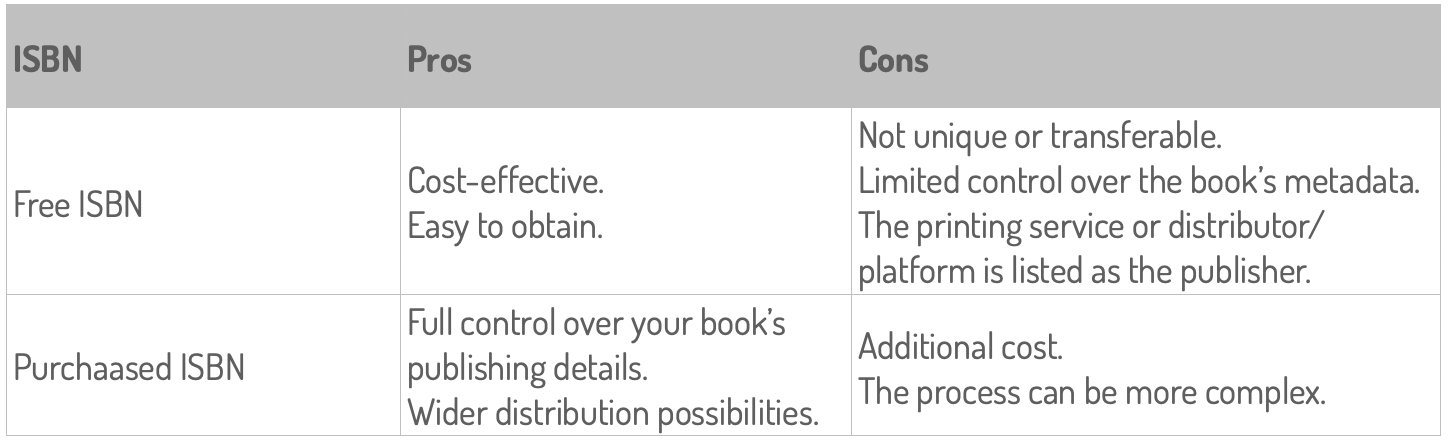
Some self-publishing platforms, such as Amazon KDP, Lulu, IngramSpark, and Draft2Digital, offer free ISBNs. This can be a cost-effective option, but it’s important to note that the platform will be listed as the publisher of record.
The Pros and Cons of Free versus Purchased ISBNs
Can you use the same ISBN in different countries?
ISBNs are international, so you can use the same ISBN for a book regardless of where it’s sold. BUT, different language versions will need their own ISBNs.
How an Editor can help with ISBNs
Editors don’t just work with words; we support authors through the full publishing journey. I can help you:
✓ Decide whether you need ISBNs
✓ Register ISBNs and metadata correctly
✓ Set up publishing details professionally
✓ Prepare print-ready files with correct ISBN placement
✓ Navigate distribution decisions (KDP vs IngramSpark, etc.)
What about Barcodes?
One of the purposes of the ISBN is to power electronic point-of-sale systems (and sales tracking and inventory management). Your ISBN, therefore, needs to be encoded into a machine-readable barcode with your ISBN and price. That barcode needs to be clearly printed on the back cover of your book. There are many free online barcode generators. Here is an example of an ISBN and barcode:
Final thoughts
An ISBN may seem like a small detail, but it plays a big role in how seriously your book is taken in the publishing world. If you want to retain control, distribute widely and build your author brand, buying your own ISBNs is a smart investment.
My advice is: Whether you choose to purchase your ISBN or take advantage of a free one offered by a self-publishing platform, ensure you understand the implications for your book’s distribution and your rights as an author.
I hope this helps xx
If you’re an aspiring author looking to publish your book, I'm here to polish your words and create a professional, reader-friendly publication for you. I would love to support you on your publishing journey.
Contact me for an editing and typesetting estimate; let’s make your book shine!
* * *
Cornerstone pa services is here to help YOU and YOUR business.
Get in touch if you need editorial or admin support.